




คู่มือทางเทคนิค

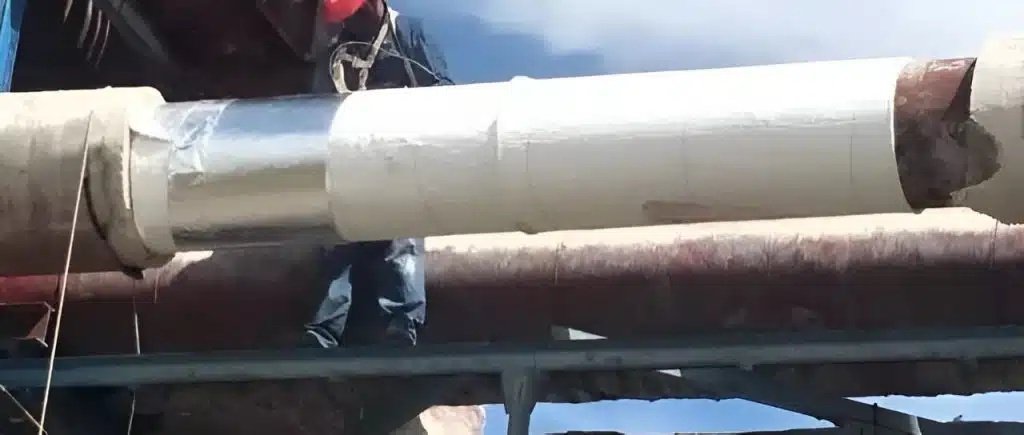
Industrial pipe insulation cladding using silica aerogel blankets and aluminum foil protective layering

การประเมินวัฏจักรชีวิตของแอโรเจล: ประสิทธิภาพพลังงานเชิงมหภาคและผลกระทบต่อสิ่งแวดล้อม

  Abstract Aerogel, an advanced porous material with ultra-high porosity and extremely low thermal conductivity, has significant application potential in building energy efficiency, industrial insulation, and aerospace engineering. However, its life cycle environmental impacts remain debated, particularly due to energy-intensive production processes and scalability limitations. This paper systematically evaluates the macroscopic energy efficiency and environmental impacts of aerogel based on
Read More »
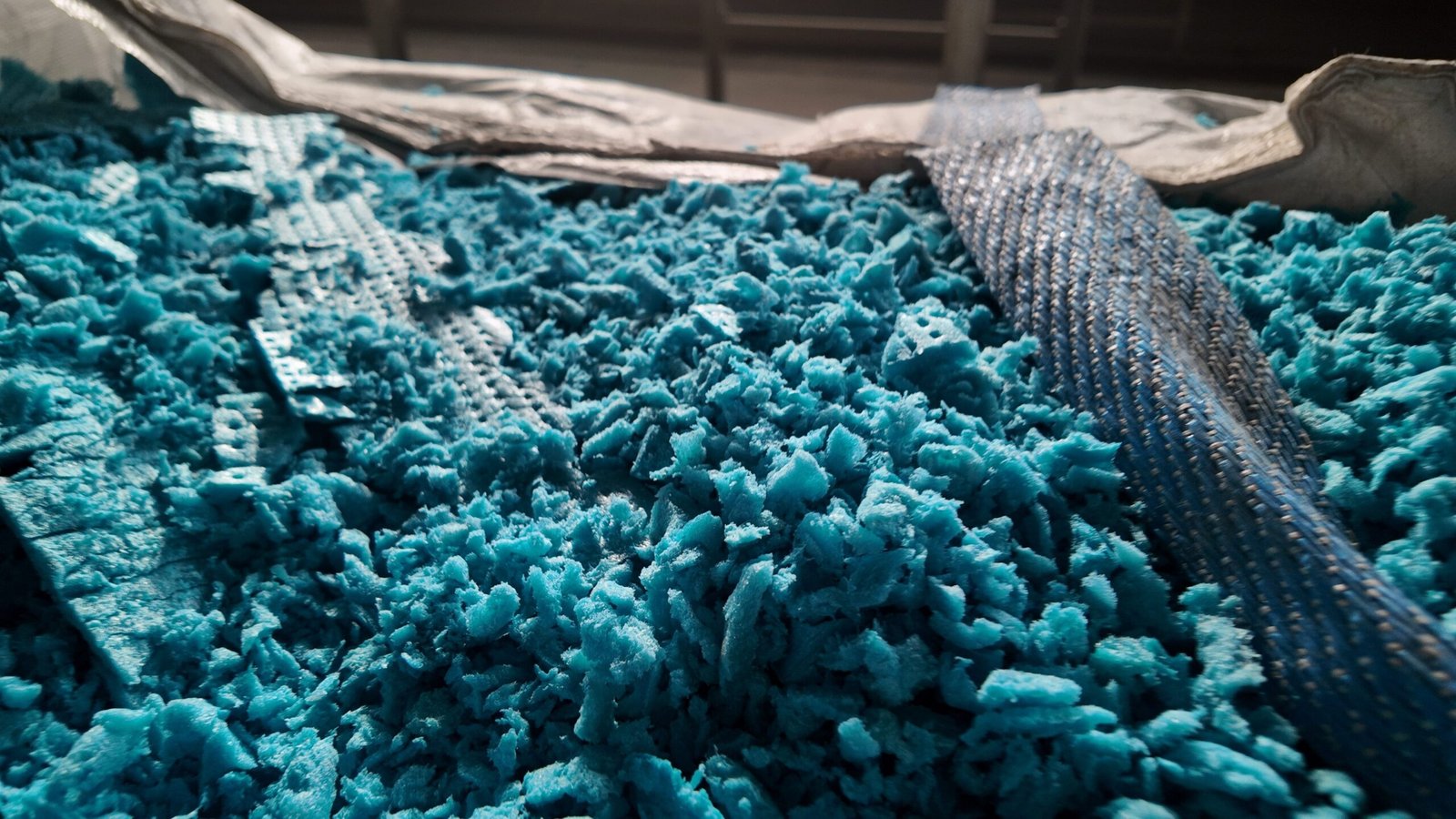
Macro shot of high-quality blue XPS raw material granules - Showcasing the core foundation for closed-cell structure and Long-Term Thermal Resistance (LTTR)

ความต้านทานความร้อนในระยะยาวของโฟม XPS เซลล์ละเอียด

  Abstract This paper investigates the critical role of cell morphology, specifically fine-cell structures (mean diameter < 0.1 mm), in determining the Long-term Thermal Resistance (LTTR) of Extruded Polystyrene (XPS) foams. By analyzing gas diffusion mechanisms and the aging process over a 20-year simulated period, we demonstrate that fine-cell XPS maintains superior thermal integrity compared to conventional coarse-cell variants. Introduction

Read More »
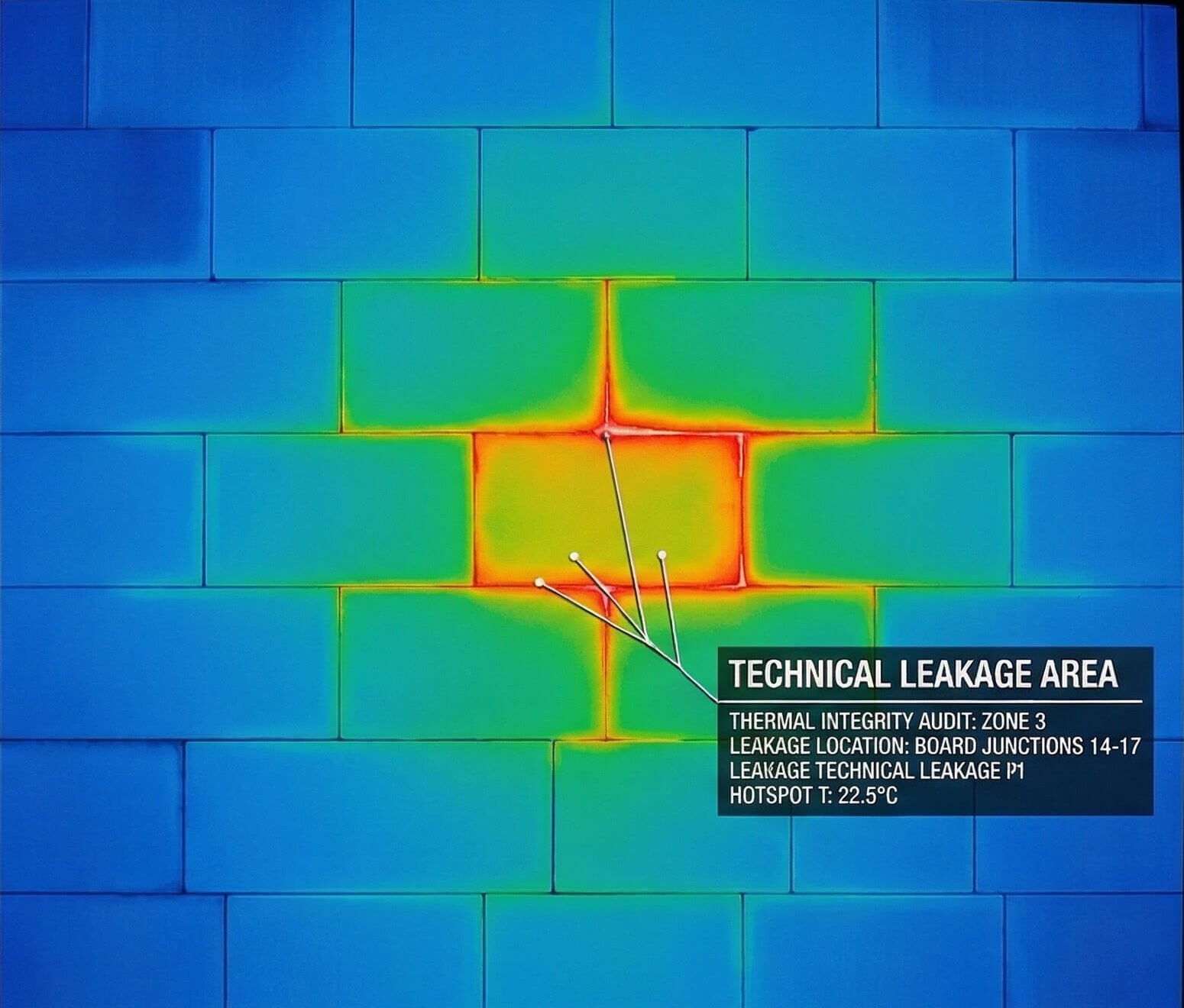
Infrared thermography scan of a wall showing thermal bridges and heat leakage at EPS board junctions

Typical Construction & U-Value Calculations

  Calculation Assumptions All U-Value calculations are performed in accordance with BS EN ISO 6946:2007. The thermal conductivity (λ) of the internal masonry block is assumed to be 1.13 W/m·K. Internal finishes consist of 12.5 mm standard plasterboard with a 3 mm plaster skim coat applied to the bonding surface. Calculations assume standard surface thermal resistance with a horizontal heat

Read More »